


SHANGHAI — A new report reveals the average curb weight of new passenger vehicles in China has surged to 1,704 kg in 2024, a sharp increase of nearly 400 kg since 2012. Alarmingly, over half of this weight gain has occurred in just the past four years, accelerating at a pace faster than the previous eight years combined. This trend poses a critical question: what's driving vehicles to become so much heavier, and at what cost?
The NEVs is the primary engine behind this weight gain. At the heart of every electric car lies its lithium-ion battery pack—an energy source far denser and heavier than a tank of gasoline. To alleviate consumer range anxiety, automakers have been packing vehicles with larger, heavier batteries. A premium plug-in hybrid SUV in 2026 can easily tip the scales over 3,000 kg, often weighing more than half a ton above its traditional gas-powered counterpart.
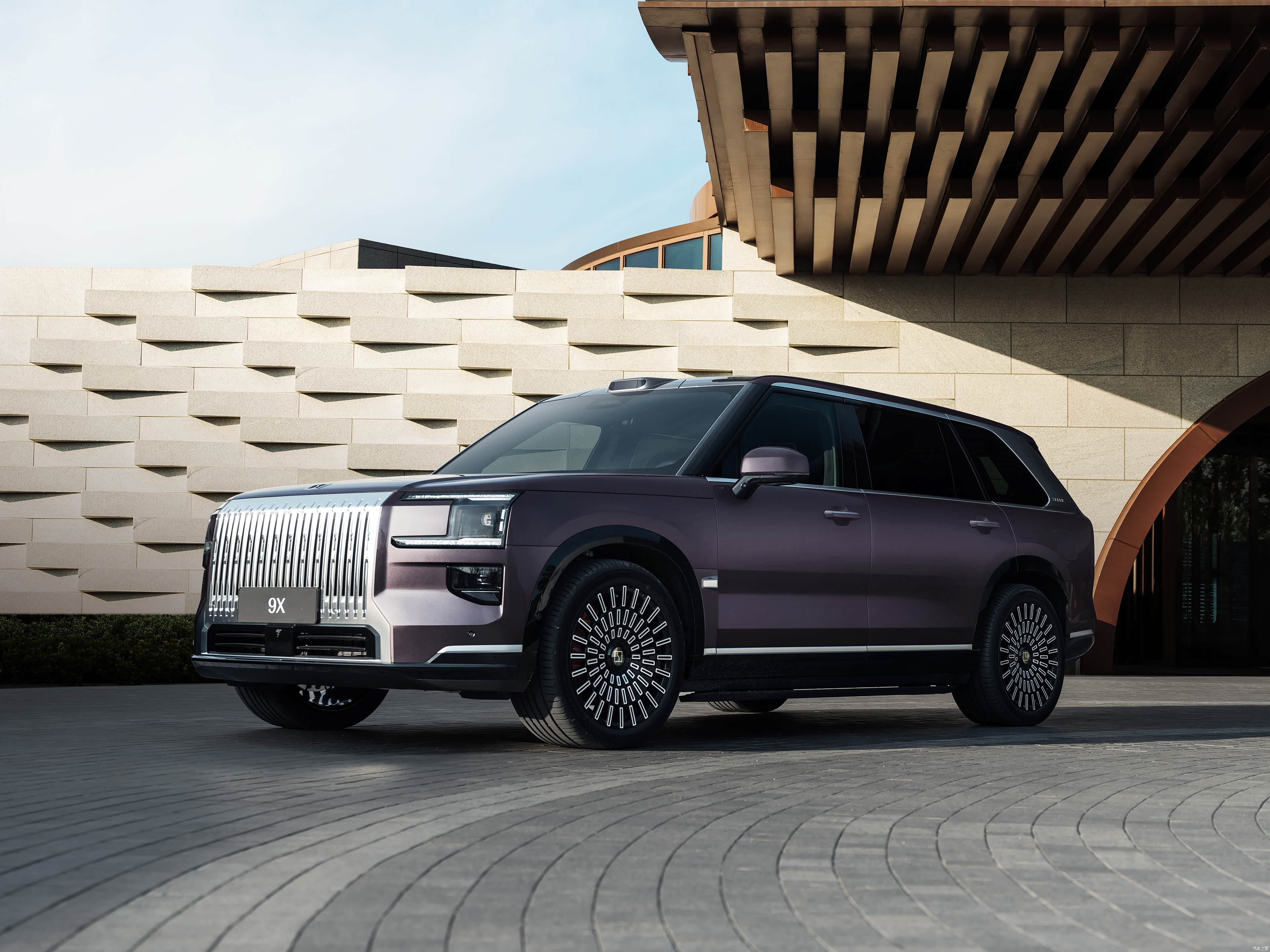
Beyond the battery, three other factors are piling on the pounds. First, consumer preference has decisively shifted from compact sedans towards larger SUVs with more interior space. Second, an arms race in comfort and smart features - from massaging "zero-gravity" seats and refrigerators to arrays of screens and sensors for autonomous driving - adds significant heft. Finally, stricter national safety standards compel manufacturers to use more high-strength steel and add more airbags, further increasing weight.
This added mass is a double-edged sword. On one hand, it contributes to perceived safety, longer EV range, and a more feature-rich cabin. On the other, it exacts a heavy toll. Every extra 100 kg increases energy consumption by approximately 7.5%. Heavier vehicles also accelerate tire wear, strain braking systems, and, most consequentially for public infrastructure, increase road damage exponentially. Studies indicate that a 20% increase in vehicle weight can more than double the rate of road surface deterioration, leading to shorter maintenance cycles and higher public costs.
In response, Chinese regulators are stepping in. New energy consumption limits for EVs took effect in 2025, and revised vehicle purchase tax rules in 2026 will halve the tax break for overweight EVs unless they meet stringent low-energy-consumption standards. This creates a financial incentive for lighter vehicles.
The industry's pursuit of lightweighting is accelerating in tandem. Innovations like massive aluminum die-castings, magnesium alloy components, and new battery chemistries like semi-solid-state cells are being deployed to shed kilograms without compromising safety or range. The race is on to break the "more range, more weight" cycle.
Source: www.autohome.com.cn
All from publicly available media reports, not official government documents.Official website of the Ministry of Finance (www.mof.gov.cn) Official website of the Ministry of Transport (www.mot.gov.cn)I haven’t seen it.