


 The world’s largest auto market is entering its next act - one defined not by gradual evolution but by concurrent revolutions in electrification, autonomy, and business model innovation. By 2025, China’s passenger vehicle sector will likely bifurcate into three coexisting yet conflicting realities: legacy automakers navigating forced obsolescence, EV startups wrestling with consolidation, and a nascent autonomous driving ecosystem searching for scalable use cases. For industry leaders and observers, understanding these overlapping transitions isn’t optional - it’s existential.
Electrification’s Inflection Point: Beyond the Tipping Point
NEV adoption has officially moved from policy-driven to consumer-led. With price parity achieved for mainstream segments (BYD’s Seal undercutting the Camry by 12%) and charging infrastructure blanketing urban centers, penetration rates are projected to surge past 50% of new sales by 2025 – clearly a threshold Europe and North America won’t reach until 2030 (or maybe 2050?). But this maturity brings brutal Darwinism.
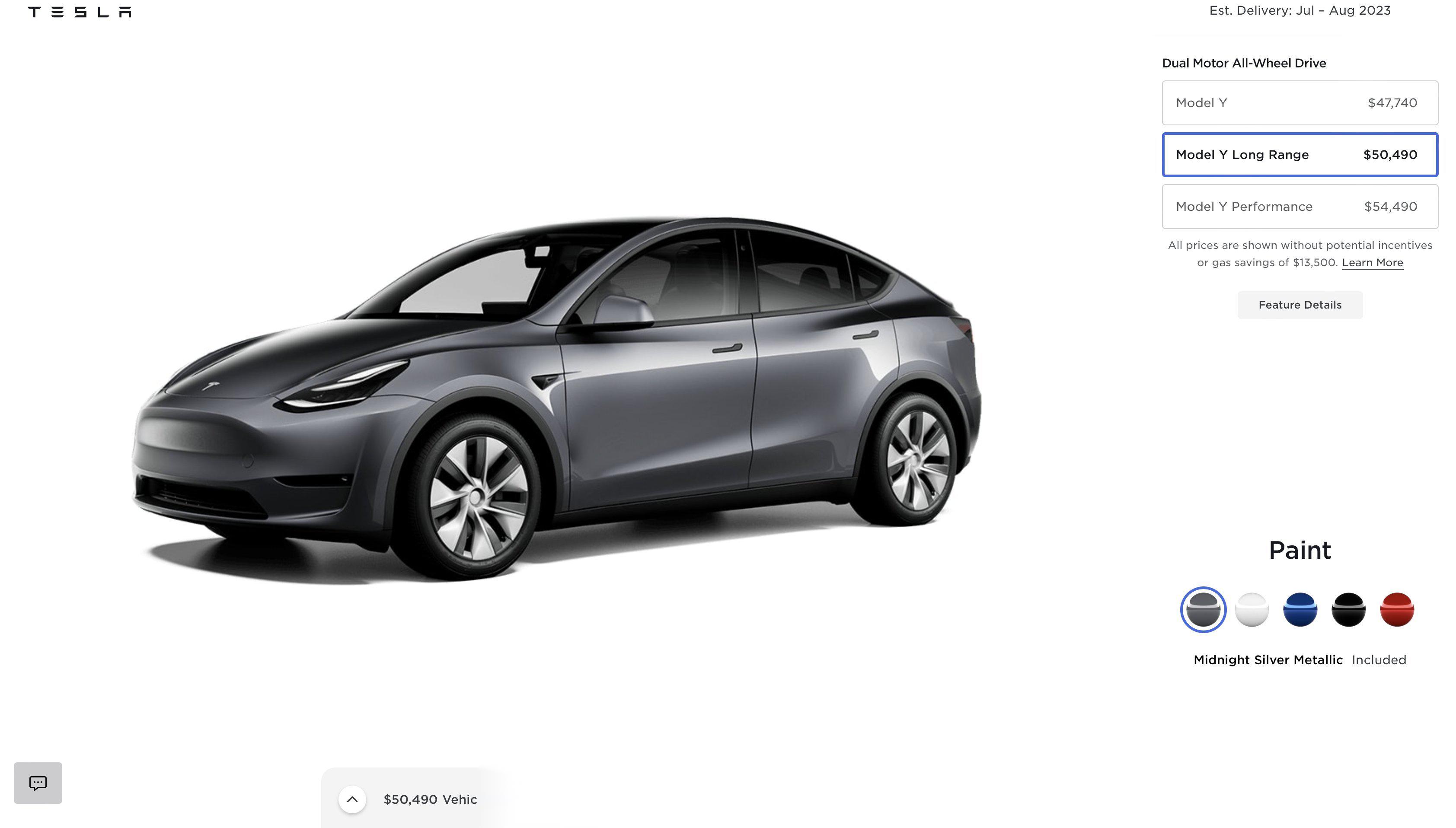
The battlefield now favors vertically integrated players with cost-optimized architectures (BYD’s Blade battery-to-chassis integration) and software-defined user experiences (NIO’s lovely NOMI avatar). Tesla’s role as the disruptive outsider has diminished - its Shanghai Gigafactory now trails BYD in domestic NEV output. Meanwhile, traditional JVs face an impossible arithmetic: their ICE cash cows are bleeding (local JV FAW-VW’s Q3 2023 ICE sales down 28% YoY) while EV divisions require billions just to stay relevant.
The ICE Paradox: Persistent Scale Versus Accelerated Decline
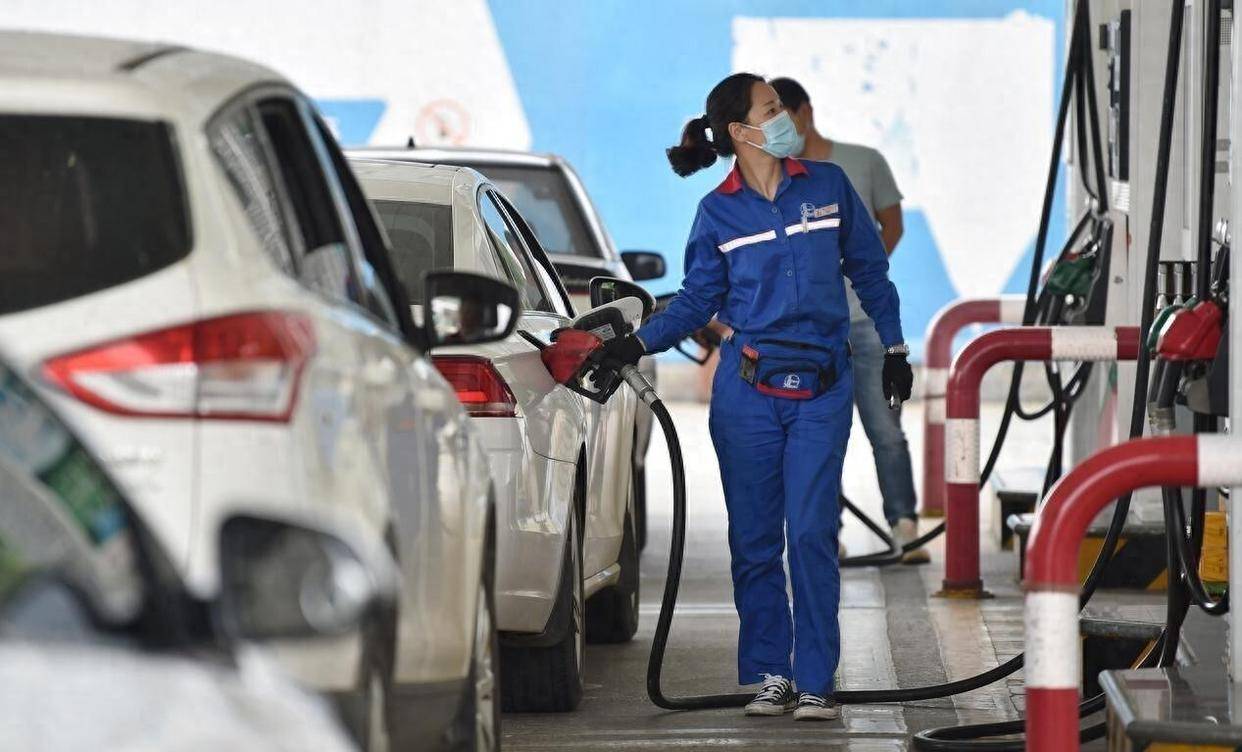
Conventional wisdom suggests ICEs will become niche products by mid-decade. Reality is messier. Even with NEVs dominating new sales, over 300 million ICE vehicles will remain on China roads in 2025.
* Data on the ownership of new energy vehicles in China in 2024:
As of the end of 2024, the ownership of NEVs in China reached 31.4 million, accounting for 8.90% of the total number of vehicles. ICEs: 321.28 million.
Some legacy players are engineering remarkable transitions. Geely’s Lynk & Co. now derives 42% of its volume from PHEVs without cannibalizing ICE margins - a feat achieved through platform sharing and dealership incentives. Contrast this with Japanese OEMs (local JVs) struggling with EV skepticism; Toyota’s bZ4X recall and Honda’s delayed e:NP1 launch have ceded crucial first-mover advantage to domestic rivals (local JV Chang’an Mazda seems doing good with its BEV model EZ-6, I heaps love this car).
Regulatory shocks loom - when Beijing eventually implements Euro VII - equivalent standards, R&D costs for compliant ICE models could rise by USD 1,200 per unit overnight.
Autonomy’s Pragmatic Turn: From Moon Shots to Monetizable Increments
The robotaxi fantasy is being replaced by hard-nosed realism. Despite hundreds of autonomous test vehicles operating in Beijing/Shenzhen, none of China’s AV startups have demonstrated unit economics that withstand scrutiny. The new focus? Gradual autonomy features that command premium pricing today while building toward L4 capabilities.
XPeng’s XNGP system - already enabling hands - free highway navigation - now drives 40% of its USD 45,000 G9 SUV sales. Baidu Apollo, a bit slow to be honest, shifted from building its own vehicles to licensing autonomous stacks to OEMs, mirroring Mobileye’s asset-light model.
Preparing for the Polycrisis Playbook
2025 won’t offer neat resolutions. Instead, I expect three simultaneous crises:
EV profitability crunch: With over 120 domestic NEV brands today, China’s market can’t sustain more than 20-25 long-term players. The coming shakeout will make the smartphone industry’s consolidation look tame.
ICE collapse domino effect: As ICE volumes decline, supplier and even ICE dealer bankruptcies might disrupt the entire automotive value chain - including EV makers still reliant on legacy component networks.
There could be a deeper expectation gap: The gap between marketing promises and technical capability becomes untenable.
The survivors will share three traits: capital discipline, ecosystem partnerships (like CATL’s swaps deal with NIO), and surgical regulatory foresight (anticipating Beijing’s next move on data governance or battery recycling).
One forecast appears certain: by 2025, 'Chinese OEMs' will have fully shed their budget-brand image to become the auto industry's undisputed innovation leaders LOCALLY and the sales penetration rate will reach 50%. The trillion-dollar dilemma? Whether and how those legacy OEMs can match this tempo without bleeding margins.