


Core Market Characteristics of NEV Intelligentization
Executive Summary
We analyze the core market characteristics of new energy vehicle (NEV) intelligentization, focusing on China’s market dynamics. Key findings include:
Technology-path synergy: Extended-range electric vehicles (REEVs) serve as a transitional option with intelligent features balancing range anxiety and electrification, while battery electric vehicles (BEVs) lead in long-term intelligentization potential.
Scenario-based demand differentiation: Smart Driving gains acceptance in urban congestion and highway scenarios but faces trust barriers in mountainous areas or harsh weather.
Practicality-oriented intelligent functions: Remote control, voice interaction, and position sharing address user pain points (e.g., forgetting to lock cars, finding parking spots) but need optimization in extreme conditions.
Diversified demand drivers: Family users prioritize in-vehicle entertainment and space-oriented intelligence, while outdoor enthusiasts focus on storage and sleep-related smart functions.
Decentralized decision-making: Women and children increasingly influence NEV intelligentization design, with 67% of women participating in purchase decisions and 63% of parents considering children's preferences (checking/buying a car is increasingly a family go-out).
Recommendations: Prioritize scenario-specific intelligent functions, optimize REEV-BEV intelligent configurations, and tailor designs to family and female user needs.
Introduction
Background
Global NEV development is accelerating, with intelligentization (integrating Smart Driving, connectivity, and smart features) becoming a core competitive dimension. China, as the world’s largest NEV market, leads in both market scale and technological iteration, driven by policy support (e.g., new energy subsidies, intelligent transportation infrastructure plans) and user demand shifts toward electrification and digitalization. Understanding its intelligentization market characteristics is critical for OEMs, suppliers, and investors to navigate trends.
Research Objectives and Scope
This study aims to identify core market characteristics of NEV intelligentization in China, focusing on:
Synergy between energy technologies (BEV, REEV) and intelligent functions;
User demand patterns for Smart Driving and intelligent features;
Impact of demographic shifts (e.g., family structure, gender roles) on intelligentization design.
The scope includes passenger NEVs, covering key intelligent functions (Smart Driving, remote control, voice interaction) and user groups (family users, outdoor enthusiasts, urban commuters).
Research Methodology
The analysis uses:
Qualitative insights: Interviews with 30+ industry experts (OEM engineers, mobility analysts) and case studies of mainstream NEV models;
VOC analysis: Coding of 500+ user reviews on Smart function experiences.
Thematic Analysis
1. Technology Path and Intelligentization: Transitional Synergy
NEV intelligentization develops alongside diverse energy technologies, with distinct user perceptions shaping market dynamics:
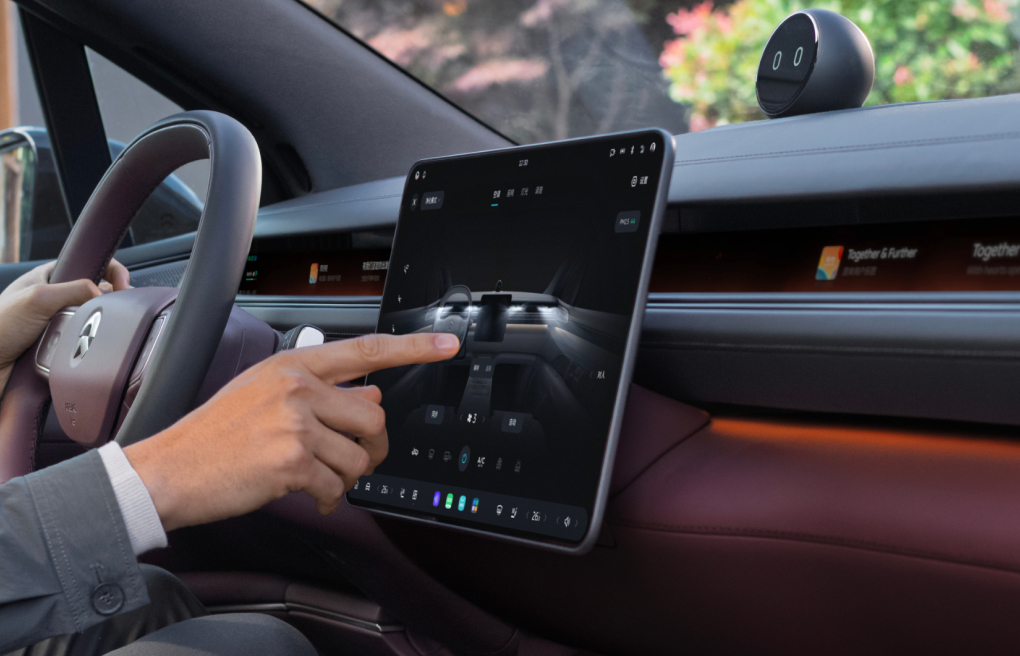
BEVs: Long-term intelligentization leaders: Users recognize BEVs as the future trend, valuing their superior electrification foundation for advanced Smart Driving and connectivity (e.g., faster response in voice interaction, seamless integration with smart home systems). However, concerns over range and charging infrastructure limit immediate large-scale adoption.
REEVs: Transitional intelligentization enablers: As a bridge to mature BEV technology, REEVs are favored for balancing electrification and practicality. User feedback highlights REEVs’ ability to deliver core intelligent features (e.g., basic Smart Driving, remote climate control) without range anxiety: “REEVs let me enjoy electric driving’s quietness and Smart Driving convenience, while refueling solves long-distance travel worries” (survey respondent).
This duality creates a market where intelligentization features are tailored to technology paths—REEVs emphasize “essential intelligence” (reliability, cost-efficiency), while BEVs focus on “advanced intelligence” (AI-driven Smart Driving, OTA updates).
2. Smart Driving: Scenario-Specific Trust and Adoption
Smart Driving adoption is highly scenario-dependent, reflecting user trust in technology’s ability to handle real-world complexities:
High-acceptance scenarios: Urban congestion (72% of users value ACC or Autonomous Following System), highway cruising (68% appreciate fatigue reduction), and automatic parking (59% of female users cite it as a key feature. It might be the MOST useful ADAS features for most ladies). These align with user pain points: “After work, congested driving exhausts me—Smart Driving’s automatic speed adjustment saves energy” (commuter user).
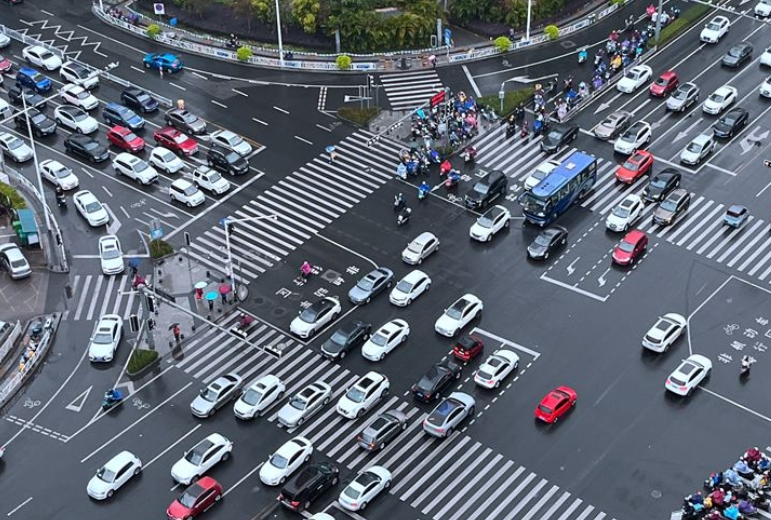
Low-trust scenarios: Mountain roads (curvature misjudgment), harsh weather (reduced environmental perception in rain/fog), and off-road conditions. Users emphasize: “Smart Driving works in simple environments but lacks flexibility in complex terrains” (outdoor enthusiast).
User portraits further reveal: Female users (61%) prioritize Smart Driving for parking and low-speed maneuvering, while long-distance drivers (57%) focus on highway stability.
3. Intelligent Features: Practicality-Driven Innovation
Non-driving intelligent functions (remote control, voice interaction, position sharing) are adopted based on their ability to solve daily pain points:
Core pain points addressed:
Remote control (pre-cooling/heating, lock checking) solves issues like “forgetting to close windows in summer” (cited by 65% of users);
Voice interaction reduces distraction: “I can make calls or adjust music without taking hands off the wheel” (urban commuter);
Position sharing eases multi-user families: “My wife and I share the car—real-time location avoids ‘where’s the car?’ arguments” (family user).
Room for improvement: 38% of users report voice assistant failures in high temperatures; 29% note delayed response in WeChat voice messages via Bluetooth, indicating a need for better environmental adaptability.
These functions are no longer “gimmicks” but core utilities, with user satisfaction directly tied to reliability in daily use.
4. Scenario-Driven Intelligentization: Family and Outdoor Demands
Diverse lifestyles drive specialized intelligentization needs, particularly among two key groups:
Family users (with children): Prioritize space-integrated intelligence:
In-vehicle entertainment (projection screens, kid-friendly voice commands) to reduce distractions: “My child watches cartoons via voice control—no more noise during drives” (parent user).
Outdoor enthusiasts: Focus on utility-oriented intelligence:
Seamless seat folding + mattress control for in-vehicle sleeping: “With one voice command, seats flatten—perfect for wild camping” (camper);
Smart cargo tracking (drone/equipment location reminders) cited by 54% of outdoor users.
These trends push OEMs to design “scenario-specific intelligent packages” rather than one-size-fits-all solutions.
5. Decision-Making Shifts: Impact on Intelligentization Design
Changing consumer dynamics reshape how intelligent features are prioritized:
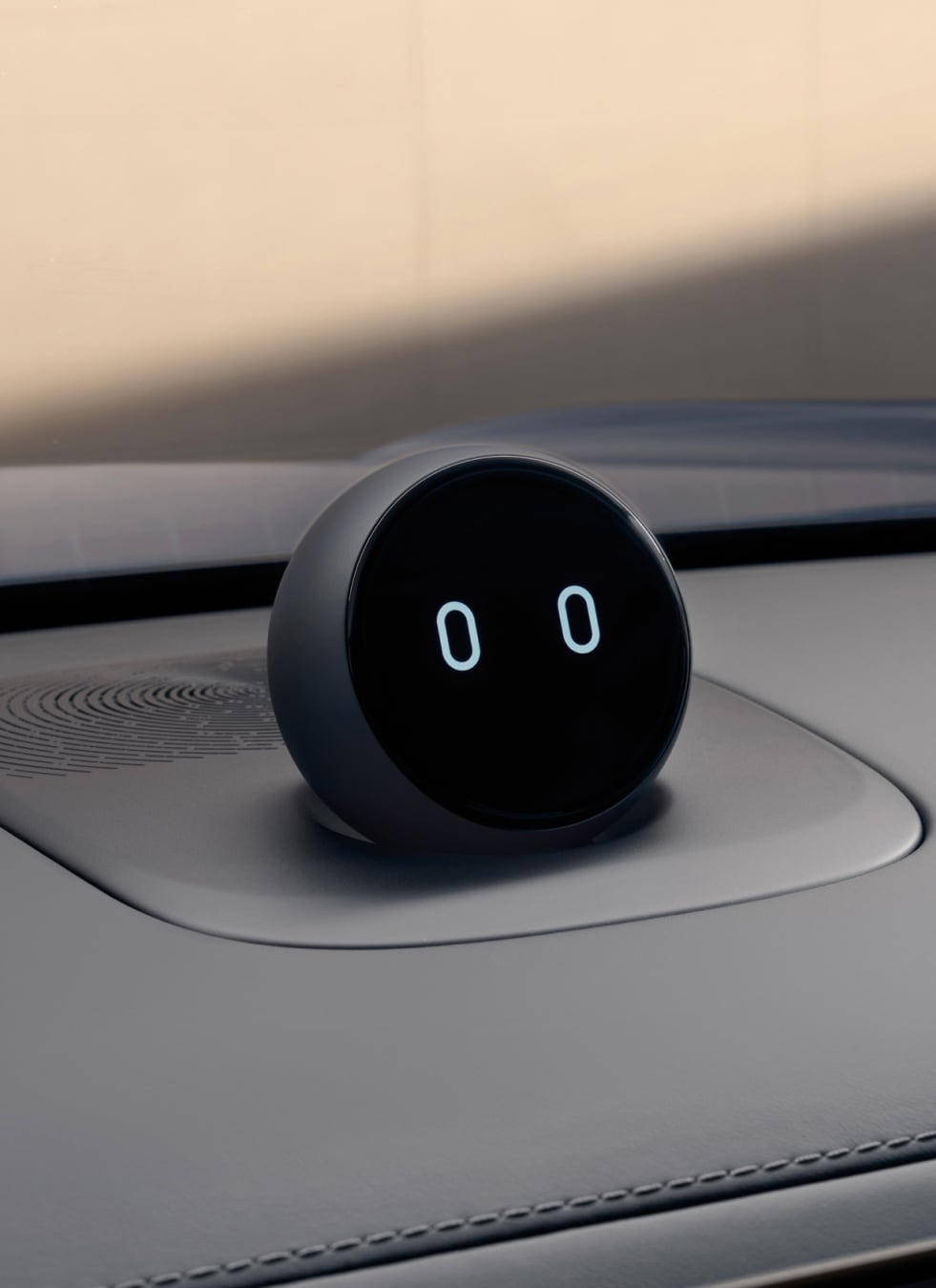
Rising female influence: 67% of women participate in NEV purchases, with 58% as key decision-makers. They prioritize intuitive interfaces (simple voice commands, clear Smart Driving displays) and safety-focused intelligence (collision warnings, automatic emergency braking).
Children as “influencers”: 63% of parents consider children’s preferences, driving features like kid-safe voice filters and backseat entertainment controls. As one parent noted: “My daughter’s ‘I want cartoons’ made me choose the model with in-vehicle projection”.
This “decentralized decision-making” pushes OEMs to balance technical sophistication with user-friendliness across demographics.
Conclusions and Recommendations
Conclusions
The core market characteristics of NEV intelligentization are:
Transitional technology synergy: REEVs and BEVs coexist, with intelligent features aligned to their respective roles (transitional vs. long-term).
Scenario-based trust: Smart Driving adoption hinges on performance in daily vs. complex scenarios.
Practicality first: Intelligent functions succeed by solving tangible pain points (forgetfulness, distraction) rather than sheer innovation.
Diversified demand drivers: Family and outdoor scenarios push specialized intelligent features.
Decentralized decision-making: Female and child preferences increasingly shape intelligentization design.
Recommendations
For OEMs:
Tailor intelligent features to technology paths: REEVs focus on reliable, cost-effective basics; BEVs invest in advanced, scalable Smart Driving.
Prioritize scenario-specific optimization: Enhance Smart Driving in urban/highway scenarios; improve voice assistant stability in extreme temperatures.
Design family-centric intelligence: Integrate kid-friendly controls and space-management smart functions.
For suppliers: Develop modular intelligent solutions adaptable to REEV/BEV platforms and diverse user scenarios.
Appendix
Data sources:
Ministry of Public Security (2022 female driver statistics: 160 million);
China Passenger Car Association (2023 replacement/additional purchase data: 56%);
Bain & Company (female decision-making data: 67% participation, 58% main decision-makers);
NetEase Research (parental consideration of children’s preferences: 63%);
User interviews (500+ NEV owners) and expert discussions (20+ industry professionals) by Beijing BWing Consulting.
Need a chat, reach me at tian.xu@tsreserach.cn