


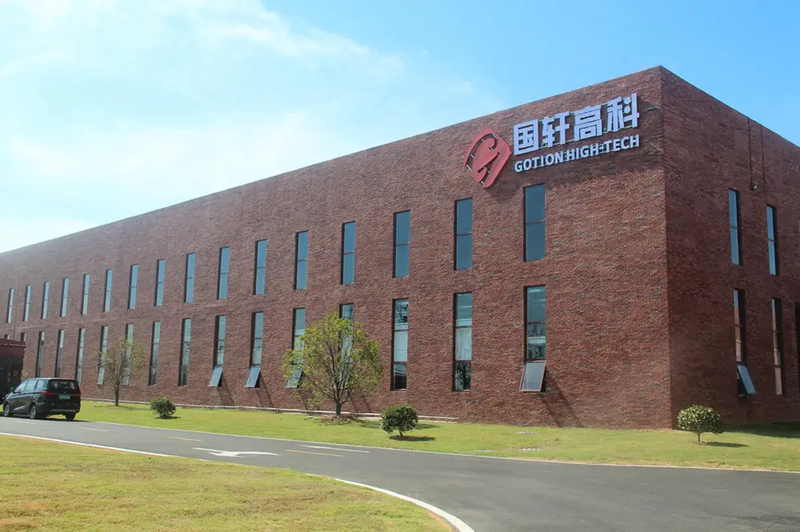
Verdant fields, a red-brick factory, and now a very European expansion plan. Gotion High-Tech, the Chinese battery maker in which Volkswagen holds a roughly 25% stake, announced on September 28 that it will sign investment agreements with VW Group and its battery subsidiary PowerCo to build three overseas joint ventures — in Valencia (Spain), Surany (Slovakia) and Kenitra (Morocco) — for lithium battery and LFP cathode material production, with total investment of about EUR 3.22 billion (roughly USD 3.5 billion).
The structure is telling. Rather than Gotion simply exporting cells from China, the JVs will localize the full loop — cathode material plants feeding cell plants — inside the EU single market and North Africa. For VW, that is PowerCo's European gigafactory ambition finally getting a secure, in-house LFP supply chain at a price Chinese rivals can live with. For Gotion, it converts its largest shareholder into a business partner and locks in volume commitments on foreign soil.
The geography does the strategic talking too: Spain and Slovakia anchor the EU's local-content subsidies, while Morocco's Kenitra free zone offers EU-adjacent costs plus tariff-free access to European markets. Expect the usual EU suspicion about Chinese ownership, but the joint-vehicle structure is precisely the kind VW hopes regulators will tolerate.
One line sums it up: the Chinese battery champion is no longer just selling to Europe — it is being built into Europe.
Editor's Note: EUR 3.2 billion is VW admitting, quietly, that its in-house cell roadmap could not get to LFP cost parity without the Chinese partner it already owned a slice of. Better to co-build in Valencia than to keep importing from Hefei.
— need a chat about China NEV market? mail me @ sheng.ye@ipsos.com