


Walk into the Gurun plant in Kedah, Malaysia, and you will see something interesting: Stellantis — the Franco-Italian-American conglomerate that gave us the Jeep and the Peugeot — is now assembling Chinese EVs on ASEAN soil. Not as a defensive move. As a offensive one. The first model rolling off the line: the Leapmotor C10 SUV. The B10 is lined up for late 2026.
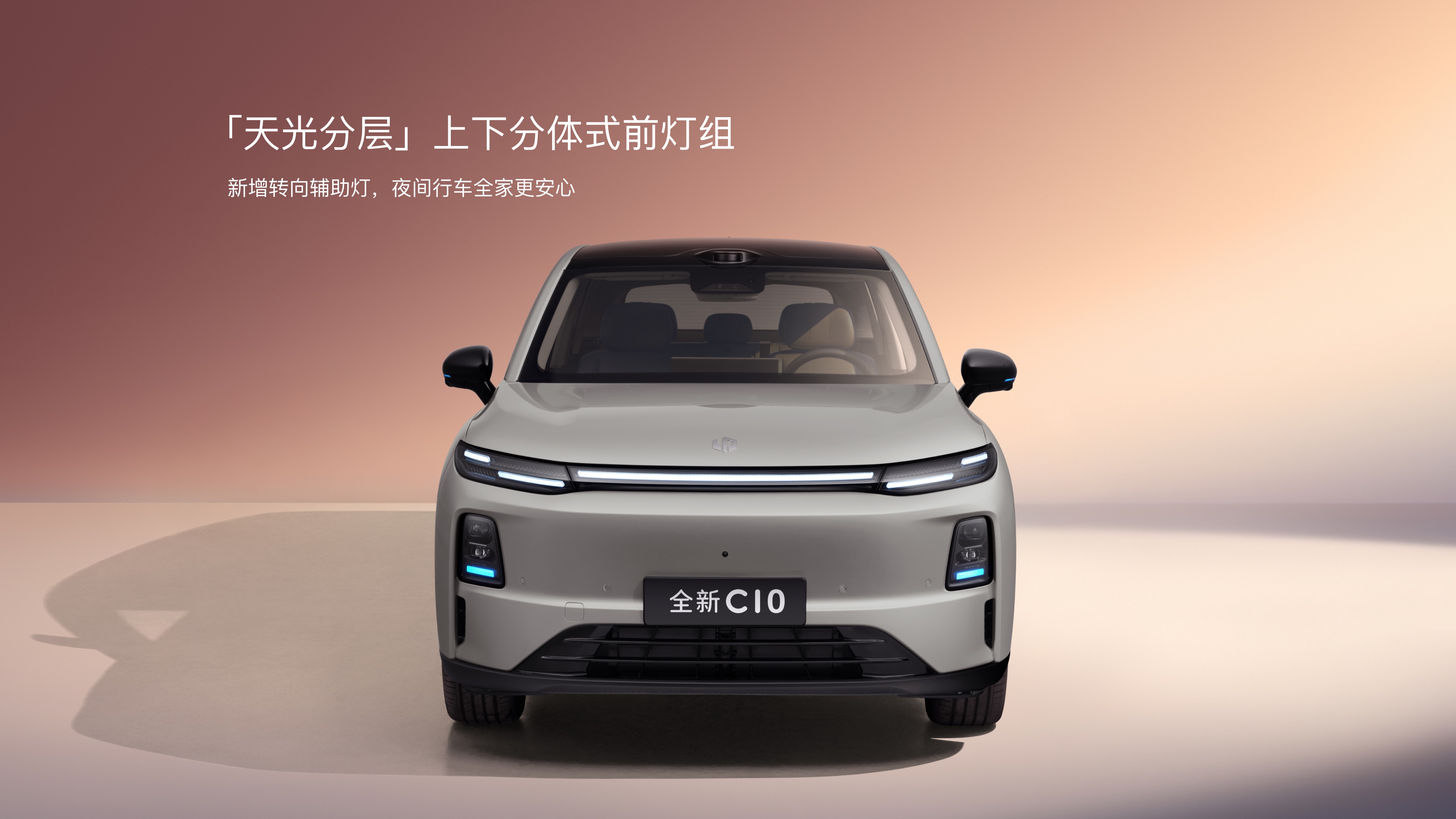
Let us be clear about what is happening here. Stellantis is not "partnering" with Leapmotor out of the goodness of its heart. This is a distribution and manufacturing play, plain and simple. Stellantis brings the plants, the regulatory know-how, and the dealer networks. Leapmotor brings the tech, the speed, and the cost structure that Stellantis's own EV roadmap has struggled to deliver. It is a pragmatic, some might say mercenary, arrangement — and it is working.
The numbers are modest but deliberate. €2.23 million for the assembly setup. Another €3.1 million for production line and infrastructure upgrades. This is not a massive bet — it is a calibrated one. Stellantis is testing a replicable model in ASEAN, the same way it has done in Europe with the Leapmotor T03 and beyond. Get the local certification right, train the technicians on 800V high-voltage systems (done), clear the regulatory hurdles (done), and then decide whether to scale to export across ASEAN markets.
Isaac Yeo, Stellantis ASEAN's managing director, called it a "milestone achievement" that puts Malaysia "at the forefront of the electrification industry in the ASEAN region." That is the kind of line that sounds good in a press release. The more interesting question is whether Gurun becomes a regional export hub — and on that, Stellantis is keeping its cards close. "Under strategic evaluation" is corporate speak for "we are watching the tariffs and the politics before committing."
Here is the real story: Chinese NEV brands want global scale, but they cannot efficiently penetrate every market on their own. Local partnerships — real local manufacturing, not just rebranding exports — are the bottleneck. Stellantis has figured out that being the platform for Chinese EV brands to go global is a better business model than trying to out-innovate them. It is not a glamorous strategy. But it might be the smart one.
For now, the Gurun plant's output is staying in Malaysia. The C10 is on the line. The B10 is coming. And Stellantis is watching closely to see if the model travels. If it does, do not be surprised to see "Assembled in Malaysia" Leapmotor models showing up in Thailand, Indonesia, and beyond — with a Stellantis logo somewhere in the small print.
Source: Gasgoo.com
Our team just finished one car clinic project for LeapMotor. Leapmotor's sales was skyrocketing. Need a chat about China NEV market? mail me @ sheng.ye@ipsos.com