


Sinochem Petroleum Sales — the downstream fuel arm better known for pump islands than power — has signed a strategic cooperation agreement with Times Electric Service, the wholly-owned battery-swap subsidiary of CATL. The two will jointly develop and operate charging and battery-swap stations, in what is less a partnership than a quiet rewrite of the corner gas station.
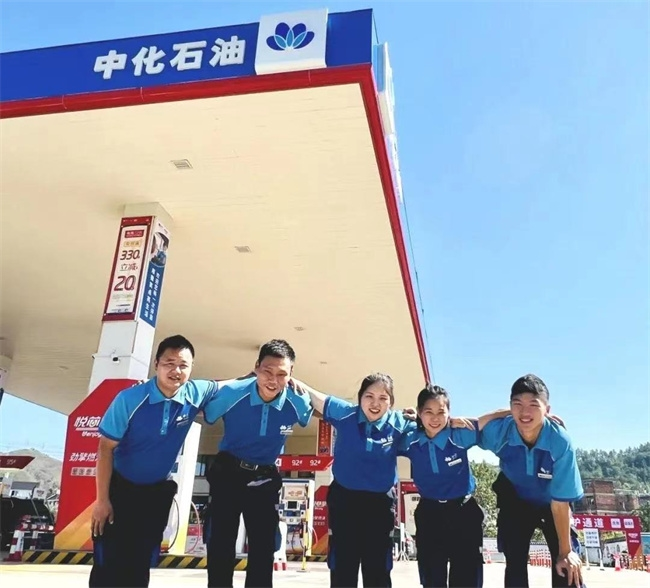
The division of labour is tidy. Sinochem brings the one thing swap networks have always lacked: prime real estate. It contributes sites, government and enterprise liaison, and a customer base already flowing through its fuel network. Times Electric Service does the heavy lifting — station construction, battery-equipment installation, operation and maintenance, and the actual market-facing operation. In plain terms: CATL's swap web finally gets to plug into locations you cannot easily build from scratch.
The logic is asset arbitrage. The deal folds battery swapping straight into Sinochem's existing petrol and charging footprint, leaning on stock assets to prop up green replenishment infrastructure. Both sides dress it up as serving the national “dual carbon” target, unlocking idle property and accelerating the green pivot. For CATL it is another brick in the EVOGO / “chocolate battery” swap wall; for Sinochem it is a cheap way to stop being just a pump and start being a mobility energy hub. The pump is not dying — it is being rewired.
Editor's Note: Watch the real estate, not the batteries. Swap networks live or die on where the stalls sit, and nobody has better corner lots than the oil companies. CATL just borrowed Sinochem’s map.
— need a chat about China NEV market? mail me @ sheng.ye@ipsos.com