


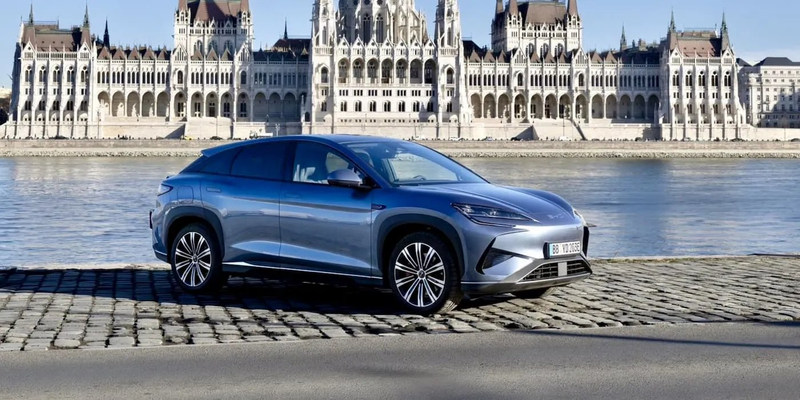
Here's a sentence nobody in Stuttgart expected to read: China is now Germany's largest source of car imports. According to Germany's Federal Statistical Office, the country imported roughly 175,000 passenger cars from China in the first seven months of 2026, up a staggering 120.9% year-on-year — good for 13.8% of all new car imports and enough to top the table for the first time ever.
The Czech Republic, previously the number-one supplier, slipped to second with 173,000 units. Spain came third at 157,000. When a country whose automotive identity predates the invention of the assembly line starts importing more cars from Shenzhen than from Plzeň, something structural has shifted.
The drivers are obvious. Chinese brands — BYD, MG, Leapmotor, Chery and others — have spent two years building European beachheads, and Germany's own appetite for affordable EVs has collided with a domestic product lineup that arrived late and priced high. Meanwhile, some German brands are importing their own China-built models home, quietly padding the number from the inside.
A 120.9% jump isn't a trend, it's a verdict: Chinese-built cars have crossed from novelty to mainstream on Germany's roads. And with EU tariffs now part of the landscape, the next chapter is being written in factories inside Europe — which, notably, is exactly where the Czech and Spanish numbers come from.
— need a chat about China NEV market? mail me @ sheng.ye@ipsos.com