


While the industry obsesses over showroom sales in Shanghai and Shenzhen, DiDi is quietly rewriting the emerging-market EV playbook in Brazil. On 4 August, the company's Brazilian super-app 99 signed a partnership with Movida, one of the country's largest car-rental groups, to put tens of thousands of ride-hail drivers into NEVs without forcing a single private buyer to change their mind.
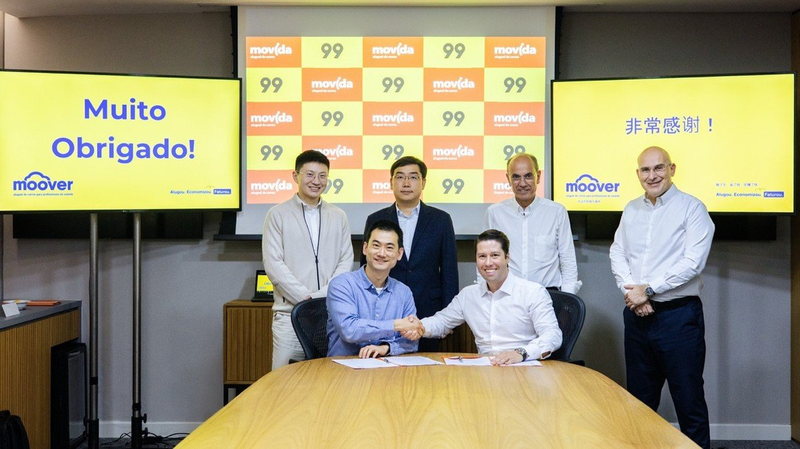
The deal is straightforward and ambitious. Over the next three years, 99 and Movida will offer discounted rental plans—including new-energy vehicles—to at least 50,000 drivers on the 99 platform. Drivers apply through the app, Movida supplies the metal, and 99 leans on its experience running EVs and serving drivers to help Movida tailor the programme. The promise on the table is a roughly 25% cut in rental costs, a meaningful saving in a market where vehicle expenses often devour driver income.
What makes this matter is the distribution channel. Brazil's retail EV market is still nascent; charging infrastructure and sticker prices keep many private consumers on the fence. But ride-hail and delivery fleets don't buy on emotion—they buy on total cost of ownership and utilisation. By routing NEVs through a rental-to-driver model, DiDi and Movida bypass the consumer-awareness gap entirely. The driver gets a cheaper wheel, the platform gets more loyal supply, and the OEMs get a ready fleet buyer.
For Chinese EV exporters, this is the kind of partnership that turns "exporting cars" into "exporting a transport operating system." BYD, Leapmotor and the rest have spent years figuring out how to sell directly to foreign households. DiDi's move suggests the faster route may be to sell mobility as a service—and the car is just the hardware attached to the invoice.
Editor's Note: This is fleet distribution dressed up as driver welfare, and it's smarter than it looks. By piggybacking on Movida's balance sheet and 99's driver base, DiDi effectively turns Brazilian ride-hail supply into a captive NEV channel without taking vehicle residual-risk onto its own books. Chinese brands hoping to crack Latin America should study this model: the customer isn't the household; it's the platform.
Source: https://global.chinadaily.com.cn/a/202608/06/WS6a74679fa310986e2b469629.html
— need a chat about China NEV market? mail me @ sheng.ye@ipsos.com